If you have been in a car accident in NSW and find that the at-fault driver does not have insurance, it can be difficult to know how to handle who pays for the damages. Whether you or the other driver are at-fault, knowing what steps to take after the accident, what you are covered for, and what you can claim, is important. This guide will break down what you can do if the at-fault driver is uninsured in NSW, what happens to your claim, and how you can still get the compensation you deserve.
Key Takeaways
- An uninsured at-fault driver will be responsible for paying the reasonable costs for any damages sustained during a car accident.
- The impacted driver can issue a letter of demand, outlining the costs the at-fault driver is responsible for paying.
- If the at-fault driver refuses to pay, whether due to disputing costs or not taking responsibility, the impacted driver can pursue legal action.
- All registered vehicles in NSW are required to have CTP insurance, meaning personal injuries will be covered, but damage to the car will not.
- Impacted drivers can still receive compensation entitlements beyond CTP claims, but it depends on the type of car insurance they have.
Insurance Requirements in NSW
When you register a vehicle in NSW, you are required to get CTP (Compulsory Third Party) insurance as part of your registration. This covers your liability and compensation for any injuries sustained by others during an accident.
While CTP insurance is mandatory in NSW, other types of insurance, such as comprehensive or third-party car insurance are not, meaning you or the other driver may not be covered for any damages to your cars.
Car Accident with an At-Fault Driver with No Insurance
Being in a car accident where the at-fault driver is not insured can further complicate an already complex situation. Whether you or the other driver were at-fault, it’s important to know what is expected of the at-fault driver.
How to confirm the other driver is uninsured
Before taking further steps, you or your insurer can check the at-fault vehicle’s CTP status via Service NSW. This confirms whether you’re dealing with a genuinely uninsured vehicle or a paperwork issue that can be quickly resolved.
What if the at-fault driver doesn’t have CTP insurance?
If an at-fault driver also does not have CTP insurance or if the driver can’t be identified, NSW has systems in place to ensure you are still able to receive support and compensation.
In these circumstances, a government body called the Nominal Defendant, will step in and act as the insurer for the uninsured vehicle. Under the Nominal Defendant you can claim for physical injuries and psychological injuries.
You must lodge a claim with the Nominal Defendant within 28 days of the accident to receive statutory benefits backdated to the date of the accident. If the at-fault vehicle can’t be identified (for example, a hit-and-run), you must give written notice to the Nominal Defendant within 3 months of the accident.
Note: For hit-and-run claims against an unidentified vehicle, the Nominal Defendant is only liable if the accident happened on a road or road-related area, not on private property.
If You’re Not the Driver At Fault
If you were involved in a car accident in NSW and the at-fault driver is not insured, they will be responsible for paying the reasonable cost for the damages. These costs typically include:
- Repair costs or market value
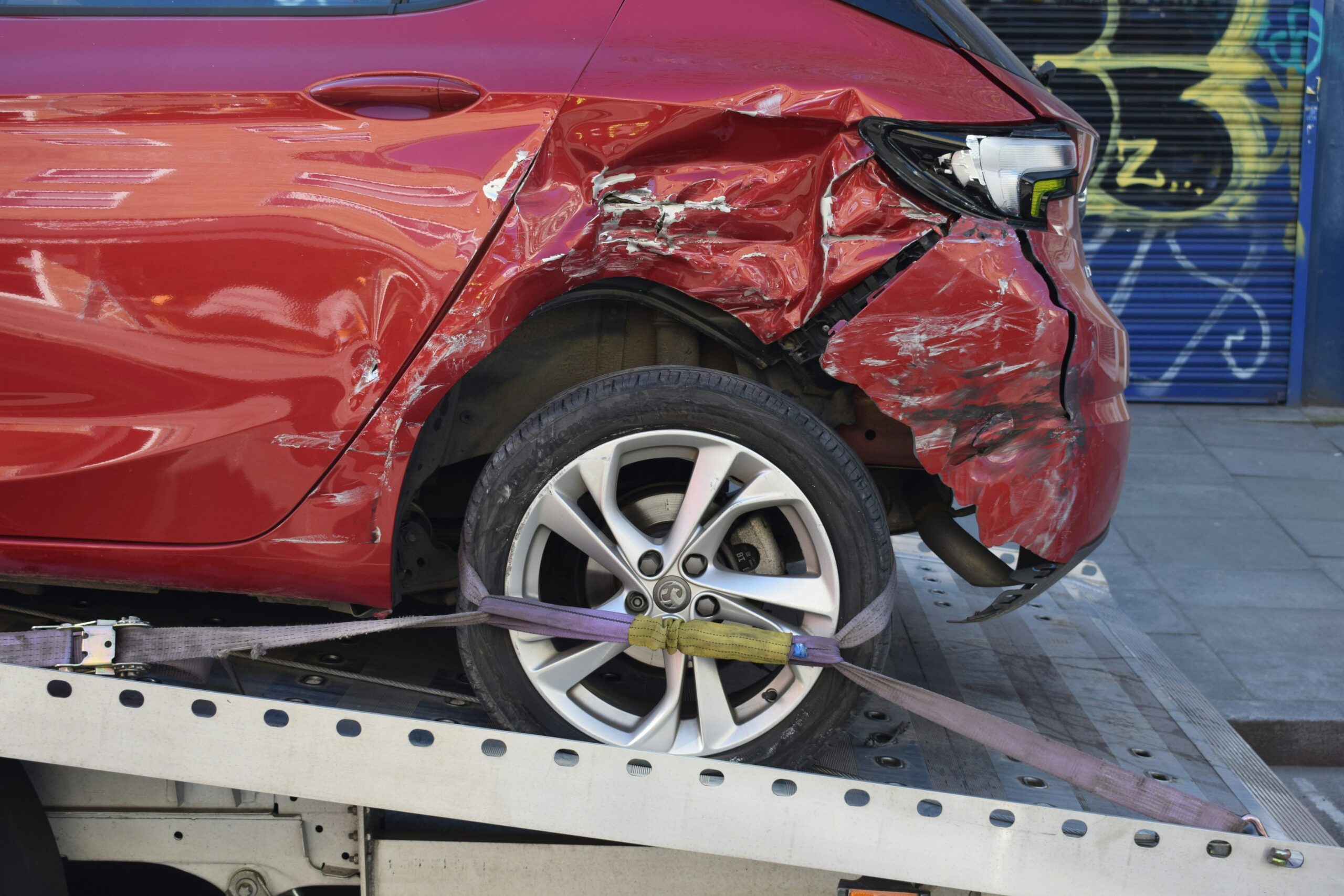
- Towing costs
- Hire car costs
If you decide to seek repayment from the at-fault driver for these costs, you’ll start by sending them a formal letter of demand. After this the at-fault driver can make the payment in full or you can negotiate terms and payment plans. However, if negotiations fail, or they refuse to pay, you may need to take legal action.
If You’re the Driver At Fault
As the at-fault driver, you will be responsible for paying the reasonable costs for any damages sustained during the car accident. If the other driver decides to pursue repayment, you will first be sent a letter of demand, which will detail the costs you will be required to pay.
If you agree with the letter, you will be required to pay the amount listed. However, if you can’t afford to pay the full amount, you can negotiate with the other driver to pay a lesser amount or pay it in stages.
If you don’t agree with the letter of demand or if negotiations have failed, it is important to seek legal advice as soon as possible, as the matter could end up in court.
How Does An At-Fault Driver with No Insurance Impact Compensation Entitlements?
If the at-fault driver does not have insurance, filing a compensation claim may become more complicated. If you have been injured in the accident, and the driver does have CTP insurance, you’ll still be entitled to file a CTP claim for any injuries sustained during the accident. However, for other claims relating to the damage of your vehicle, your entitlements will depend on the type of car insurance you have:
Comprehensive car insurance
If you have comprehensive car insurance and have been involved in an accident, your policy will typically cover the repairs to your car. If you know the details of the at-fault driver, your insurance will also likely waive your excess and handle recovering the costs from the at-fault driver on your behalf.
Third-party car insurance
Third-party car insurance only covers the cost of damages to other people’s vehicles. So, if you’ve been in a car accident and aren’t at fault, you will need to chase the at-fault driver to pay for the damages sustained in the accident.
When to Seek Legal Advice About an Uninsured At-Fault Driver
If you’ve been involved in a car accident with an uninsured at-fault driver, it’s important to get legal advice as soon as possible. You should seek legal advice if:
- The at-fault driver is refusing to pay the reasonable costs for any damages
- The at-fault driver doesn’t think they are at fault or disagrees with the costs
- You are unsure about what you’re being asked to take responsibility for
At Wyatts Compensation Lawyers, we work on a no win, no fee basis. There is no financial risk to getting advice. Our team handles car accident claims, truck accident claims, motorcycle accident claims, bicycle accident claims, pedestrian accident claims, public transport accident claims, and more.
If you’ve been in a car accident, find out what you should do after an accident.
FAQs about At-Fault Drivers with No Insurance in NSW
What happens if both drivers are at-fault?
If both drivers were at-fault, responsibility for damages is split between both drivers, in proportion to each driver’s share of fault. Each driver may not be equally at fault, meaning the split of damages each driver is responsible for should reflect this.
What happens if both drivers are uninsured?
The at-fault driver is still personally responsible for paying reasonable costs, regardless of either driver’s insurance status.
What happens if the at-fault driver refuses to pay?
If the at-fault driver refuses to pay, you can take legal action, and if you win, the court can enforce payment by garnisheeing wages or bank accounts, or seizing property. However, if the at-fault driver refuses to pay after you’ve won a court claim, then the court can use powers, like garnisheeing wages or bank accounts, or seizing items or property, to make the at-fault driver pay.